
The reality for specialized medical clinics in 2026 is that the front desk is no longer just a welcoming face; it is often the single greatest source of financial friction in the business. Whether you are running a mobile phlebotomy service in Florida or a high-end hormone clinic, the traditional way of handling patient inquiries is quietly eroding your profit margins. While you focus on patient care and clinical excellence, a phenomenon known as the intake leak is draining an average of sixty-two thousand dollars from your bottom line every year. This is not a hypothetical figure or a rounding error. It is the cumulative cost of missed calls, scheduling delays, and no-shows that plague manual processes.
The stakes are real. In an era where patients expect the same instant gratification from their dentist or plastic surgeon that they get from an app, a delay of even twenty minutes in responding to an inquiry can be the difference between a booked procedure and a lost lead. For alternative healthcare providers, the cost of human-led administration has reached a breaking point. When a prospective patient searches for mobile phlebotomy and reaches out to three different providers, the business that responds first wins. If your intake process involves a receptionist who is currently busy on another line or a voicemail system that gets checked once an hour, you are effectively handing your revenue to the competition.

To understand the sixty-two thousand dollar leak, we must look at the data behind manual booking. Industry benchmarks suggest that the average cost of scheduling a single appointment via phone ranges from one to five dollars when you account for labor and overhead. For a busy clinic, those dollars add up to thousands in monthly payroll dedicated solely to administrative logistics. However, the labor cost is only the surface of the problem. The true financial damage occurs in the gaps. Statistics show that independent practices can lose up to one hundred and fifty thousand dollars annually due to no-shows, with many medical groups seeing a fourteen percent dip in daily revenue because of gaps in the schedule that were never filled.
The traditional manual intake process is a series of bottlenecks. A potential patient calls, the line is busy, they hang up. Or they leave a message, and by the time your staff calls back three hours later, the patient has already booked with a clinic down the street. Even when a call is answered, the manual entry of data into a diary or spreadsheet is prone to error and takes time that could be spent on patient-facing activities. This friction is costing clinics between twenty and thirty percent of their total potential revenue. You can find more about the specific financial impact of these inefficiencies at our AI ROI budget guide.
The good news is that artificial intelligence has matured to a point where these bottlenecks can be eliminated entirely. The shift from manual to AI-driven intake is not just a technological upgrade; it is a fundamental restructuring of clinic capacity. By implementing AI intake systems, clinics are seeing a literal quadrupling of their capacity without the need to hire a single additional staff member. This is because AI does not sleep, does not take lunch breaks, and can handle an unlimited number of simultaneous inquiries across phone, text, and web chat.
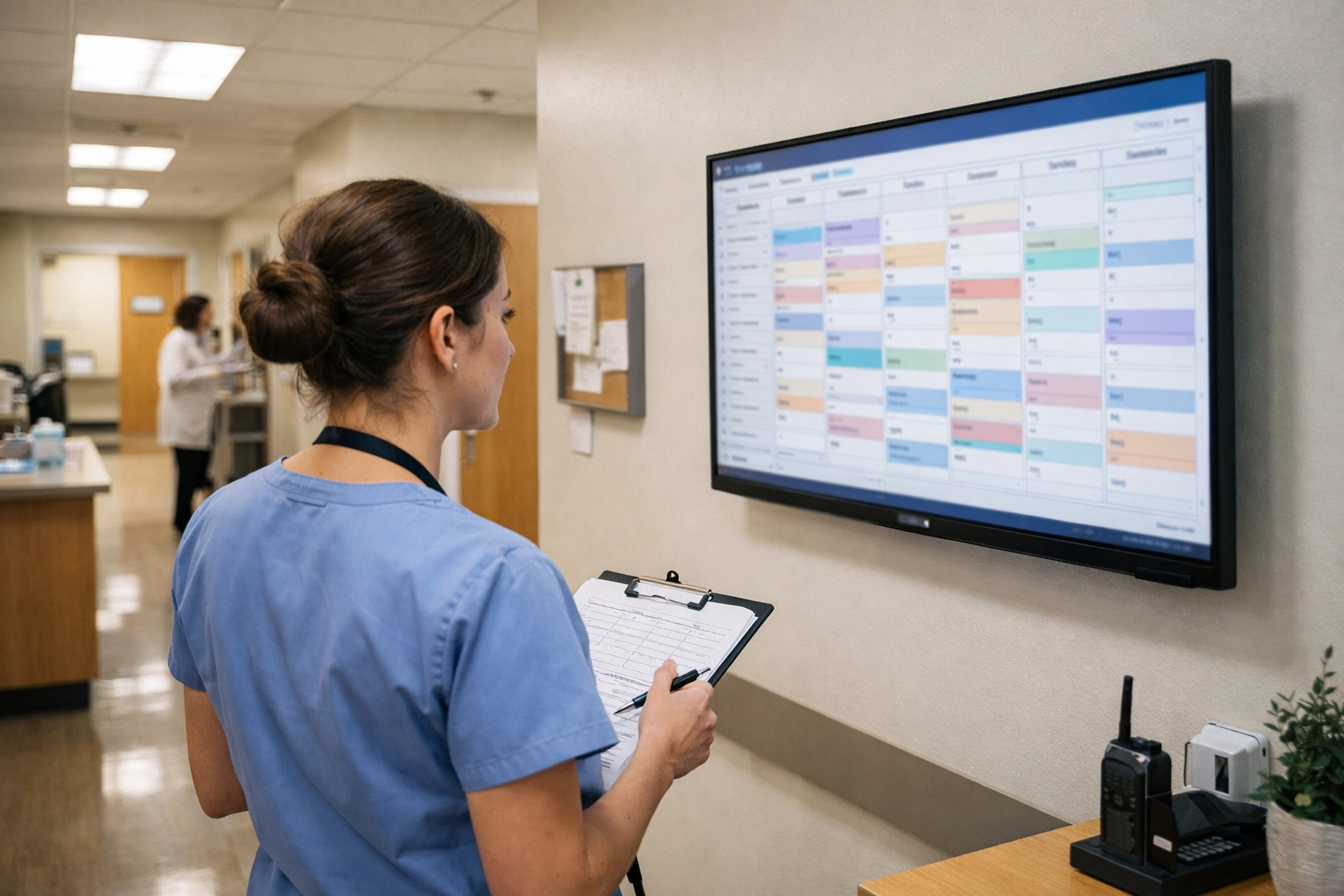
Imagine a scenario where a patient texts your hormone clinic at nine o'clock on a Sunday night. In the old way, that message sits in an inbox until Monday morning at nine-thirty. In the new way, an AI agent responds instantly, qualifies the patient based on your specific criteria, checks your actual calendar in real-time, and secures the booking with a deposit before the patient even puts their phone down. This level of responsiveness is what defines market leaders in 2026. The urgency is clear: if you are not providing this experience, you are losing leads to those who are. You can explore how these automations function at our AI automations page.
For mobile phlebotomy units, where scheduling is a complex dance of geography and timing, AI intake is even more transformative. Instead of a dispatcher manually mapping out routes and trying to fit in last-minute blood draws, AI can instantly calculate travel times and offer patients slots that optimize the technician's route. This reduces fuel costs, minimizes idle time, and allows the technician to see more patients in a single day. The result is a dramatic increase in throughput and a significant reduction in the overhead required to manage the fleet.
The capacity issue is often what prevents a clinic from scaling. Most founders believe that to grow, they must hire more administrative staff to handle the influx of calls. However, adding more people often adds more complexity and more room for human error. AI solves this by providing a scalable infrastructure that grows with you. Whether you have ten leads a day or a thousand, the system responds with the same speed and accuracy. This allows you to focus your capital on clinical talent and equipment rather than administrative bloat.

Another critical component of the sixty-two thousand dollar leak is the cost of no-shows. A missed appointment in a plastic surgery or dental practice isn't just a lost hour; it is a direct loss of approximately two hundred dollars or more in revenue, plus the opportunity cost of the patient who could have been in that chair. Manual reminder systems are often inconsistent. A busy receptionist might forget to make the reminder calls for the next day, or they might only leave voicemails that patients never listen to. AI-driven intake systems solve this by using multi-channel, automated reminders. The system can text the patient, ask for a confirmation, and if the patient cancels, the AI can immediately reach out to the waitlist to fill that spot within minutes.
This proactive management of the schedule is how clinics are clawing back their lost revenue. The financial reality of the modern healthcare landscape requires a lean, high-efficiency model. Many businesses are turning to professional audits to identify where these leaks are occurring. You can see how a dedicated review of your processes can uncover hidden costs at our healthcare audits page. The goal is to move from a reactive state, where you are constantly trying to catch up with messages, to a proactive state where your calendar is a self-optimizing engine.
The competitive landscape in regions like Florida is particularly intense. In the trades and healthcare sectors alike, speed to lead is the primary driver of growth. If your chiropractic office takes four hours to confirm a booking, you are falling behind competitors who use AI to confirm in four seconds. This isn't just about being "tech-forward"; it is about survival in an environment where consumer expectations are higher than ever. The reality is that your competitors are already looking at these tools to trim the fat from their operations.

The bottom line is that manual booking is a luxury that modern clinics can no longer afford. The sixty-two thousand dollars being lost to the intake leak could be reinvested into better marketing, higher-quality staff, or direct profit. The technology to fix this is available, proven, and ready to be deployed. By removing the human bottleneck from the initial booking phase, you allow your staff to focus on what they do best: providing exceptional care to the patients who are already in the building.
Transitioning to an AI-first intake process is the most effective way to quadruple your capacity and stop the financial bleeding. The stakes are too high to ignore the data. The shift from manual to automated is no longer a matter of if, but when. Those who act now will secure their place at the top of their local market, while those who wait will continue to watch their revenue leak out through the front desk.
The journey to a more efficient clinic begins with acknowledging that the old way is no longer working. It requires a commitment to looking at the hard numbers and making the necessary changes to protect your business. The tools to automate your success are within reach, and the return on investment is undeniable. As we move further into 2026, the gap between the automated clinic and the manual one will only widen. Now is the time to close the leak and reclaim your revenue.

The potential for growth in alternative healthcare is immense, provided you have the infrastructure to support it. By leveraging AI, you are not just saving money; you are building a resilient business that can thrive in any market condition. The transition is simpler than many expect, and the results are immediate. Stop the manual struggle and start scaling with the precision that your clinic deserves. Your patients, your staff, and your bank account will thank you.